Art
Fashion as Art: The Met's Revolutionary New Galleries Illuminate the Dressed Body
The Metropolitan Museum of Art's Costume Institute unveils its new exhibition “Costume Art,” marking a transformative convergence of fashion and artistic expression within its hallowed halls.
Maia Fontaine4 min read
In a world where the boundaries between disciplines are increasingly fluid, the Metropolitan Museum of Art is poised to redefine our understanding of fashion through its eagerly anticipated exhibition, “Costume Art.” Curated by Andrew Bolton, the visionary behind the Costume Institute, this groundbreaking showcase invites us to contemplate the intricate tapestry woven between art and fashion, while positioning the dressed body as a vital narrative canvas.
The exhibition is a bold statement that asserts fashion's rightful place at the very heart of the museum, taking over the former gift shop space on the main floor. This move not only highlights the significance of fashion within the context of fine art but also transforms The Met’s identity, forever elevating the conversation surrounding the relationship between these two powerful cultural forces.
“Fashion is more art than art is,” proclaimed Andy Warhol—a sentiment echoed by Bolton, who argues that fashion transcends mere aestheticism. It encapsulates our lived experience, rendering it the only art form that intimately reflects our identities and societal narratives. In “Costume Art,” the viewer is invited to explore this relationship in a way that is both visceral and intellectually stimulating.
The exhibition juxtaposes fashion pieces with artworks from The Met’s diverse collection, creating a dynamic dialogue between creators across time and medium. Take, for instance, the undulating contours of Jean Arp’s Configuration in Serpentine Movements I (1950), which reverberates through the flowing lines of a contemporary Duran Lantink dress. Here, the artist and designer speak in unison about the fluidity of form, the dynamism of the human body, and the perennial themes of beauty and desire.
Bolton emphasizes that this intersection is not merely decorative; it represents a paradigm shift in how we perceive fashion within the institutional framework of art. Max Hollein, the museum’s CEO, heralds this development as a powerful continuation of The Met’s longstanding mission, even as he acknowledges the significant evolution of the audience's appreciation for fashion over the decades.
Fashion and art, once perceived as adversaries locked in a defensive standoff, have found common ground. As artist Maurizio Cattelan astutely observes, the dialogue has matured: “Fashion no longer asks for permission from art, and art no longer pretends to ignore fashion.” This newfound camaraderie reflects an understanding that both domains are driven by a shared obsession—our bodies and the narratives they convey.
In the upcoming array of exhibitions, the experience of viewing fashion transcends that of a mere wardrobe display; it becomes a complex narrative rich with socio-political implications. Each garment serves as a vessel for dialogue, bridging cultures and artistic expressions, while simultaneously prompting questions about power, status, and individual narrative.
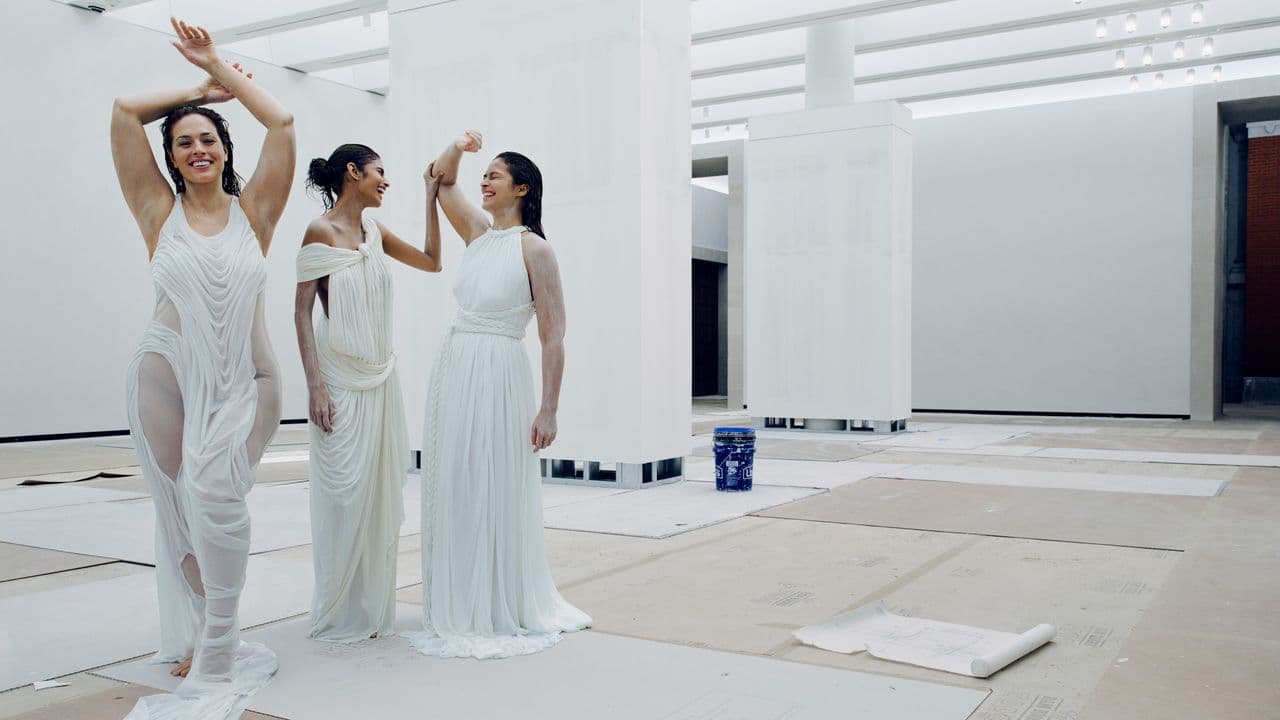
The exhibition also promises to address the evolution of the fashion narrative from the past to the present. This is deftly illustrated by the juxtaposition of artifacts from the Japanese Meiji period with contemporary designs—such as the sublime draping of Loewe worn by model Adut Akech Bior, who embodies fertility and strength as she awaits her second child. The layers of meaning within such pairings invite viewers to ponder the continuity of cultural expressions across time and geography.
Moreover, the growing influence of the Costume Institute over the last three decades cannot be overstated. Designers like Michael Kors recognize the monumental impact that fashion exhibitions have had in shifting perceptions and elevating the discourse around sartorial artistry. Names such as Mark Rothko and Georgia O’Keeffe have become synonymous with the fashion world, underscoring how the two spheres inform and inspire one another.
“Costume Art” is more than an exhibition; it is a celebration of the human spirit, a testament to our collective desire for self-expression, and a recognition of the art that surrounds us in our daily lives. As The Met propels fashion into a new era, we are reminded that the dressed body is not merely an ornament, but a profound reflection of culture, identity, and artistic evolution.
As we prepare for the unveiling of this transformative exhibition in May, it is clear that “Costume Art” will be a pivotal moment in the cultural calendar—a luxurious exploration of the art of fashion that promises to captivate, challenge, and inspire all who enter its galleries.
In this embrace of sartorial artistry, The Metropolitan Museum of Art reminds us that we are all participants in an ongoing narrative—a collective tapestry that intertwines art, culture, and the essence of what it means to be human.
fashionartMetropolitan Museum of ArtCostume Institutecultural commentary